
Loading...
Serving Oceanside, CA and surrounding areas. (760) 854-0194
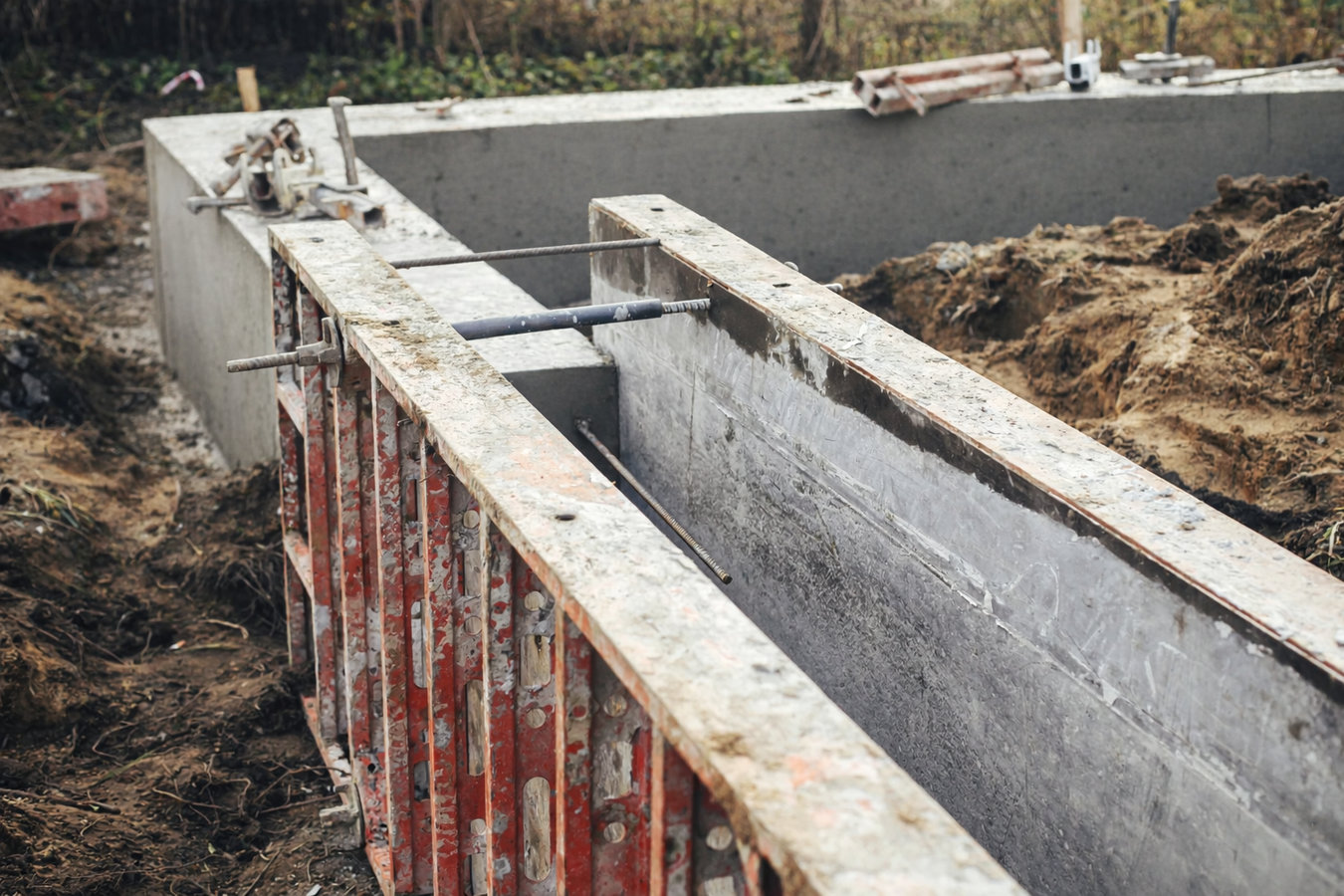
Settled concrete doesn't have to mean a full replacement. We lift sunken slabs and foundations back to level, handle permits, and fix the drainage problems that cause sinking to come back.
Settled concrete doesn't have to mean a full replacement. We lift sunken slabs and foundations back to level, handle permits, and fix the drainage problems that cause sinking to come back.
Foundation raising in Oceanside lifts a sunken slab or settled concrete back to its original level by pumping material underneath to fill the voids that caused the sinking - most residential jobs are completed in a single day with small patched holes as the only visible evidence of work.
A lot of homeowners in Oceanside discover they need this service gradually - a door that starts sticking, a crack in the driveway that keeps getting wider, or a patio that has noticeably tilted toward the house. The city's sandy coastal soils shift more than what you find inland, and that movement is one of the most common reasons slabs here settle over time. If your home also has issues with the slab foundation itself, we can assess both together and give you an honest picture of which work makes the most sense.
The most important thing to understand is that raising is not a cover-up - it addresses the void underneath, which is the actual cause of the problem. If drainage or soil conditions are contributing, a good contractor flags those too. Call (760) 854-0194 and we will walk you through what your specific situation calls for.
When a slab shifts even slightly, the door frames and window frames shift with it. If a door that used to swing freely now catches on the floor or frame, the foundation beneath that area may have moved. This is one of the most common early signs homeowners in older Oceanside neighborhoods notice before they realize the foundation is involved.
Cracks that run diagonally or have one edge raised above the other are a sign the concrete has moved, not just shrunk or dried out. In Oceanside's sandy coastal soil, this kind of movement is common and tends to get worse with each rainy season if left alone. A crack you can catch your toe on is past the point of being cosmetic.
If a marble placed on your floor rolls consistently toward one side of a room, or if you feel a noticeable slope underfoot, the slab may have settled unevenly. This is especially worth noting in Oceanside homes built before 1980, where original foundations may have less reinforcement than modern standards require.
Oceanside gets concentrated rainfall during winter storm systems. If water consistently pools against your home's foundation rather than draining away, the soil underneath is getting saturated repeatedly - and saturated soil compresses over time. That's a signal worth acting on before the settling gets worse heading into the next rainy season.
We raise driveways, patios, garage floors, sidewalk panels, and residential foundations that have settled or sunk. Every job starts with an on-site assessment to determine the cause of the settling - whether it is soil voids, drainage issues, or the natural movement of Oceanside's sandy coastal soils - before we decide on the right lifting method. For homeowners whose settled slab connects to broader concrete cutting or removal work, we can coordinate both in a single project to reduce disruption.
Two lifting methods are available. Traditional mudjacking pumps a cement-and-soil mixture under the slab to fill voids and raise the concrete back to level - it is proven, cost-effective, and well-suited for larger surface areas. Polyurethane foam injection uses an expanding foam that is lighter and cures much faster, often within hours, which makes it a good choice when you need the area back in use quickly. We walk every homeowner through both options with honest pros and cons before any work is scheduled. If your project also involves work on a slab foundation, we can evaluate both in the same assessment visit.
Best for driveways with one or more panels that have sunk below the surrounding surface, creating a trip hazard or water pooling.
Best for patios and concrete paths that have settled unevenly over time, particularly in yards with clay or sandy soils.
Best for garage floors that have dipped in the center or near the door, often caused by soil movement under the slab.
Best for homeowners dealing with foundation settlement that is causing structural symptoms like sticking doors or wall cracks.
Oceanside sits on a mix of sandy coastal soils and older marine terrace deposits that shift more than the clay-heavy soils you find further inland. That natural movement - accelerated by wet winters and dry summers - is the primary reason foundations and slabs here settle at a higher rate than in many other parts of San Diego County. The city's seismic proximity to regional fault systems adds another layer: even minor earthquakes can loosen soil under a slab and speed up settling that was already happening slowly. Homeowners in Carlsbad face similar coastal soil conditions, and we bring the same assessment approach to every project there.
Many homes in Oceanside's established neighborhoods - particularly the tracts built in the 1950s through 1970s near downtown and the harbor - have foundations that have now been settling for decades. Foundation movement in those neighborhoods is more of a maintenance reality than a one-time emergency. Poor drainage around a foundation is one of the most common causes of slab settling here - water saturates the sandy soil, it shifts, and the slab above follows. Before or alongside any raising work, we evaluate where water goes after rain and flag drainage issues that could cause the problem to come back. Homeowners in Encinitas deal with the same coastal drainage challenges, and we carry that same diagnostic approach to projects throughout the area.
We ask about the location, how long you have noticed the problem, and whether there are any visible cracks or sticking doors. You will receive a written estimate within one business day. Most jobs get a free on-site visit before any price is finalized.
We walk the area, check the level of the slab, and look for the cause - drainage patterns, tree roots, or signs of a plumbing leak. You get a written estimate that explains what was found and what we recommend. No pressure to commit on the spot.
For structural foundation work in Oceanside, we apply for the required permit through the City of Oceanside Building Division. This typically adds a few days to a week before work can begin. We handle the paperwork - you just need to be aware the timeline includes this step.
We drill small holes through the slab, pump material underneath to fill voids and raise the concrete, then patch the holes flush with the surrounding surface. The city inspector signs off on the permit afterward. Your contractor will leave you with clear instructions on curing time before the area is back in full use.
Free written estimate, response within one business day. No obligation - just a straight answer about what your foundation actually needs.
(760) 854-0194Foundation work in Oceanside requires a city permit and inspection - full stop. We apply for the permit before work begins and coordinate the city inspection at the end. That means your job is on record with the city, which matters when you sell your home or need to make an insurance claim.
Most contractors lift the slab and leave. We also look at the drainage patterns and soil conditions around the area, because the most common reason lifting results do not last is an unaddressed drainage problem. Oceanside's sandy soils and wet winters make this step more important here than in drier, inland cities. The USGS Pacific Coastal and Marine Science Center documents how coastal soil conditions in Southern California contribute to foundation movement.
We offer both traditional mudjacking and polyurethane foam injection, and we recommend based on your actual soil conditions, slab size, and how quickly you need the area back in use - not based on which is more profitable for us. You get a clear explanation of the trade-offs before any commitment.
We have worked on homes throughout Oceanside - from older ranch-style homes near downtown to newer builds in the Rancho del Oro area - and we understand how foundation behavior changes across the city's different soil zones. Local experience is not a marketing line here. It changes how we assess a job and what we recommend.
Every one of these factors comes together on every job we do. A permit protects your home's record. A drainage assessment protects the longevity of the work. The right lifting method protects your timeline and budget. That combination is what separates a foundation raising contractor who is worth calling from one who just shows up with a pump.
When a settled or damaged section needs to be removed before new concrete is poured, we cut it out cleanly using diamond-blade saws with water cooling for dust control.
Learn moreWhen a slab is beyond raising and a full pour is the right call, we handle excavation, base preparation, and the complete slab build from the ground up.
Learn moreWinter storms saturate sandy coastal soil and make settling worse fast - call now to get your date locked in before the season turns.