
Loading...
Serving Oceanside, CA and surrounding areas. (760) 854-0194
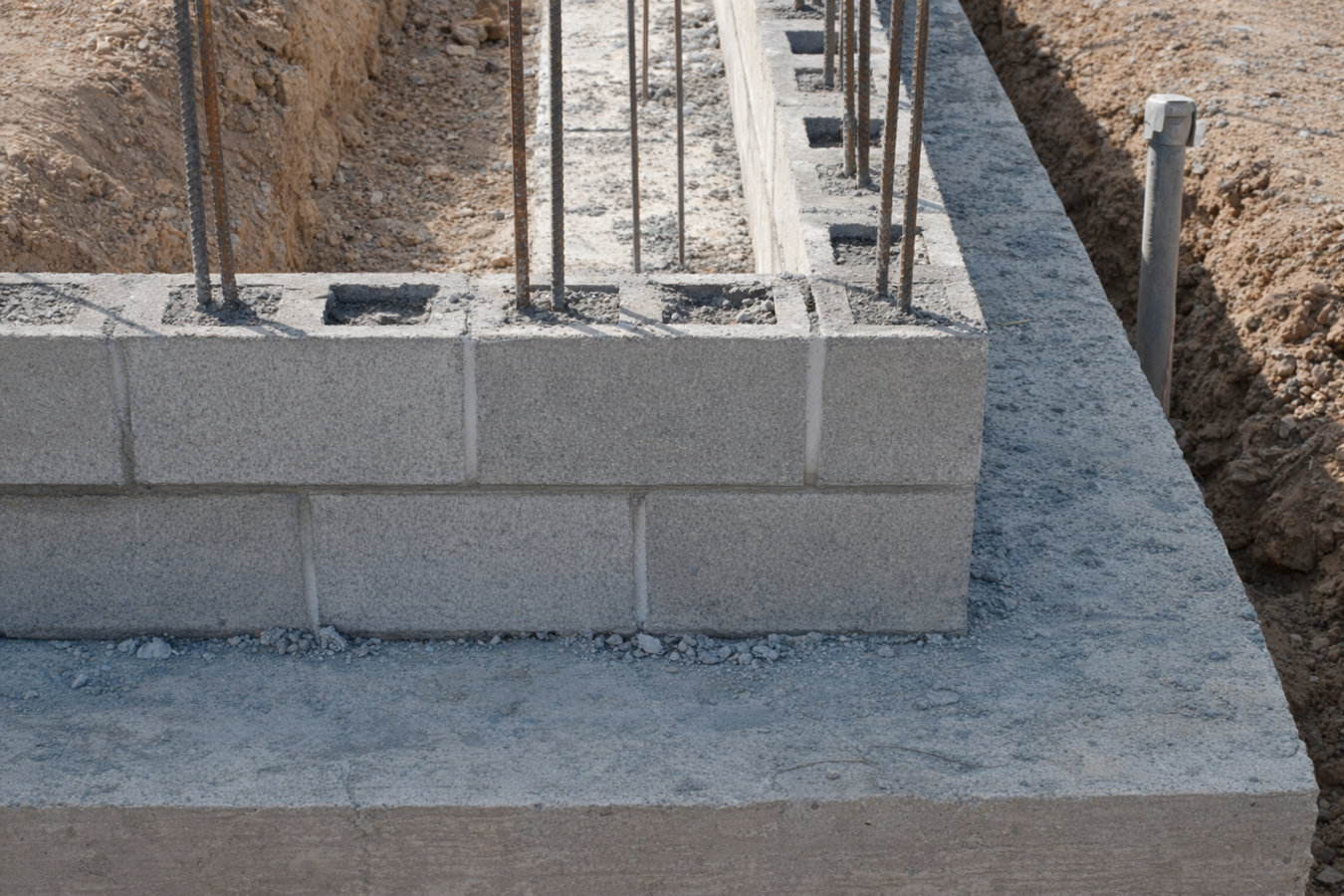
Everything above ground depends on what is below it. We install foundations in Oceanside that meet seismic requirements, handle local soil conditions, and pass city inspection the first time.
Everything above ground depends on what is below it. We install foundations in Oceanside that meet seismic requirements, handle local soil conditions, and pass city inspection the first time.
Foundation installation in Oceanside covers the full scope from excavation through city-signed inspection - most residential foundations take one to three weeks of active site work, plus several weeks upfront for the City of Oceanside's permit review before any excavation begins.
The process starts underground - grading, compacting, and preparing the soil - before any concrete is formed or poured. What happens at this stage is invisible once the job is done, which is exactly why it matters so much. Oceanside's soil conditions and seismic zone both affect how the foundation is designed: the right steel placement and footing depth for a lot near the beach may be entirely different from what a clay-heavy inland lot in Fire Mountain requires.
For projects focused specifically on a concrete slab pour for a home or ADU footprint, our slab foundation building service handles that scope from soil assessment through the finished pour and inspection.
If doors or windows that used to work fine are now sticking, dragging, or leaving gaps at the corners, the frame of your home may be shifting. This is often one of the first visible signs that the foundation is moving or settling unevenly. In Oceanside's clay-heavy inland soils, this kind of movement can happen gradually over years as the ground expands and contracts with seasonal moisture changes.
Hairline cracks in drywall are common and usually harmless, but diagonal cracks that radiate from the corners of door or window openings are a different signal. These patterns suggest the structure is racking - meaning one part of the foundation is moving relative to another. If you are seeing this in an older Oceanside home, a professional evaluation is the right next step.
Walk slowly through your home and pay attention to whether the floor feels level. A floor that slopes toward one corner, bounces when you walk on it, or shows gaps between the floor and the baseboard is telling you something is off below. This is especially common in older Oceanside homes with raised foundations, where the supporting structure underneath can deteriorate over time.
If you are adding a room, a garage, an ADU, or any new structure to your Oceanside property, a new foundation is required before framing can begin. This is not a sign of a problem - it is simply the starting point for any new construction. Getting it right from the beginning is the single most important investment you make in the project.
We install slab-on-grade and raised foundations for new homes, accessory dwelling units, garages, and major additions throughout Oceanside. A slab foundation is a thick concrete layer poured directly on prepared ground - common in newer Oceanside construction and well suited to stable, relatively flat lots. A raised foundation lifts the floor above grade on concrete walls or piers, creating a crawl space underneath - you find this more often in older Oceanside neighborhoods built before the 1970s. Every project starts with a soil assessment and a site visit before we finalize the design or quote, because foundation pricing depends entirely on what is actually under your lot. For standalone slab pours - ADU footprints, room additions, and garage floors - our slab foundation building service covers that scope from assessment through finished pour.
We manage the City of Oceanside permit process end to end - plan submission, review tracking, inspection scheduling, and final sign-off - so you do not need to learn how the city's building department works or follow up on the status yourself. For projects that also need large-scale concrete work above grade - paved areas, commercial surfaces, or parking - our concrete parking lot building service handles those surfaces at the same standard.
Best for newer construction, flat lots, and ADU projects where the slab serves as both floor and foundation.
Suited to older Oceanside homes or sloped lots where lifting the floor above grade is required or preferred.
For older homes on foundations that no longer meet current standards and need full removal and replacement.
Full excavation-to-inspection foundation packages for new single-family homes and residential buildings.
Permit-ready foundation scopes for California ADU projects and room additions requiring a new or upgraded base.
Oceanside's soil is not uniform across the city. Coastal neighborhoods closer to the pier and harbor tend to have sandier ground that shifts differently than the clay-heavy soils in established inland areas like Fire Mountain or the older streets near downtown. Clay soil is the more demanding condition - it swells when it absorbs water during Oceanside's winter wet season, then contracts as it dries out through the summer. That cycle exerts real force on whatever is holding it back, and a foundation designed without accounting for it can show problems within a few years. The seismic context matters too: Oceanside is in one of California's more active earthquake zones, and local building code requires more reinforcing steel and specific anchor connections than most of the country. The San Diego County Planning and Development Services publishes geologic hazard information that helps contractors design foundations appropriate for each specific area.
Older housing stock is another reality in Oceanside. Many established neighborhoods - particularly those built in the 1950s through 1970s - have homes on original foundations that were built before current seismic and drainage standards. When a homeowner in one of those neighborhoods wants to add an ADU, convert a garage, or build an addition, we often find the existing slab or raised foundation needs assessment before any new work begins. We serve clients in these situations across Oceanside and the surrounding area, including homeowners in Carlsbad and Escondido, where soil conditions and permit requirements have their own local character.
We visit your lot, review soil conditions, confirm your project scope, and give you a written estimate. Most homeowners hear back from us within one business day. Phone quotes for foundation work are not reliable - the site visit is what makes the number accurate.
We submit plans to the City of Oceanside's Development Services Department and manage the review process. Plan for several weeks of permit review time - we track the status and keep you updated so you never have to chase the city yourself.
Once permits are approved, the crew clears and grades the site. Heavy equipment excavates to the required depth and compacts the soil. Expect significant disruption to your yard during this phase - move vehicles, furniture, and any plants out of the work zone before the crew arrives.
The crew sets forms, places the steel reinforcing bars, and pours the concrete - typically in one day for a residential foundation. After the pour, the concrete cures while the city inspector verifies the work. We schedule that inspection and share the results with you.
Once the foundation passes inspection, we remove forms, clean up the site, and give you copies of the permit and inspection records. Keep those documents - you will need them if you sell the home or do additional construction later.
We handle permits, inspections, and site cleanup. You get a written estimate within one business day of our site visit - no commitment required.
(760) 854-0194Foundations in Oceanside must meet California's earthquake-resistance requirements - more steel, specific anchor bolts, and a design that allows the structure to move with the ground rather than against it. These requirements are not optional, and skipping them creates real risk. Every foundation we install is designed to the current seismic standards enforced by the City of Oceanside.
We handle every step of the City of Oceanside's permit process - application submission, review tracking, inspection scheduling, and final sign-off. You do not need to learn how the building department works or take time off to wait for an inspector. When the job is done, you get copies of all the permit and inspection records to keep with your property documents.
Oceanside has distinct soil zones - sandy coastal ground and clay-heavy inland soils behave very differently under a foundation. We assess your specific lot conditions before finalizing the design. That step is why foundations we build do not show early cracking or settling - the design matches the actual ground, not a generic template.
Foundation projects are one of the places where vague estimates lead to cost overruns that stress homeowners badly. We give you a written quote that breaks down site prep, materials, reinforcement, permits, and cleanup before a single shovel hits the ground. You can verify our current license status at the California Contractors State License Board before you sign anything.
The American Concrete Institute standards guide how we design reinforcement, specify mix, and approach curing on every pour. When local soil knowledge and ACI-grounded technique work together, the result is a foundation that stays stable well past the 50-year mark.
Commercial-grade concrete parking lots for Oceanside businesses, HOAs, and multi-unit properties - properly based, graded, and permitted.
Learn moreResidential slab foundations for new homes, ADUs, and additions in Oceanside - soil-assessed and seismically reinforced before the pour.
Learn morePermit slots and contractor schedules fill up fast in Oceanside - especially during the busy spring and summer build season. Reach out now and we will get a site visit on the calendar.