
Loading...
Serving Oceanside, CA and surrounding areas. (760) 854-0194
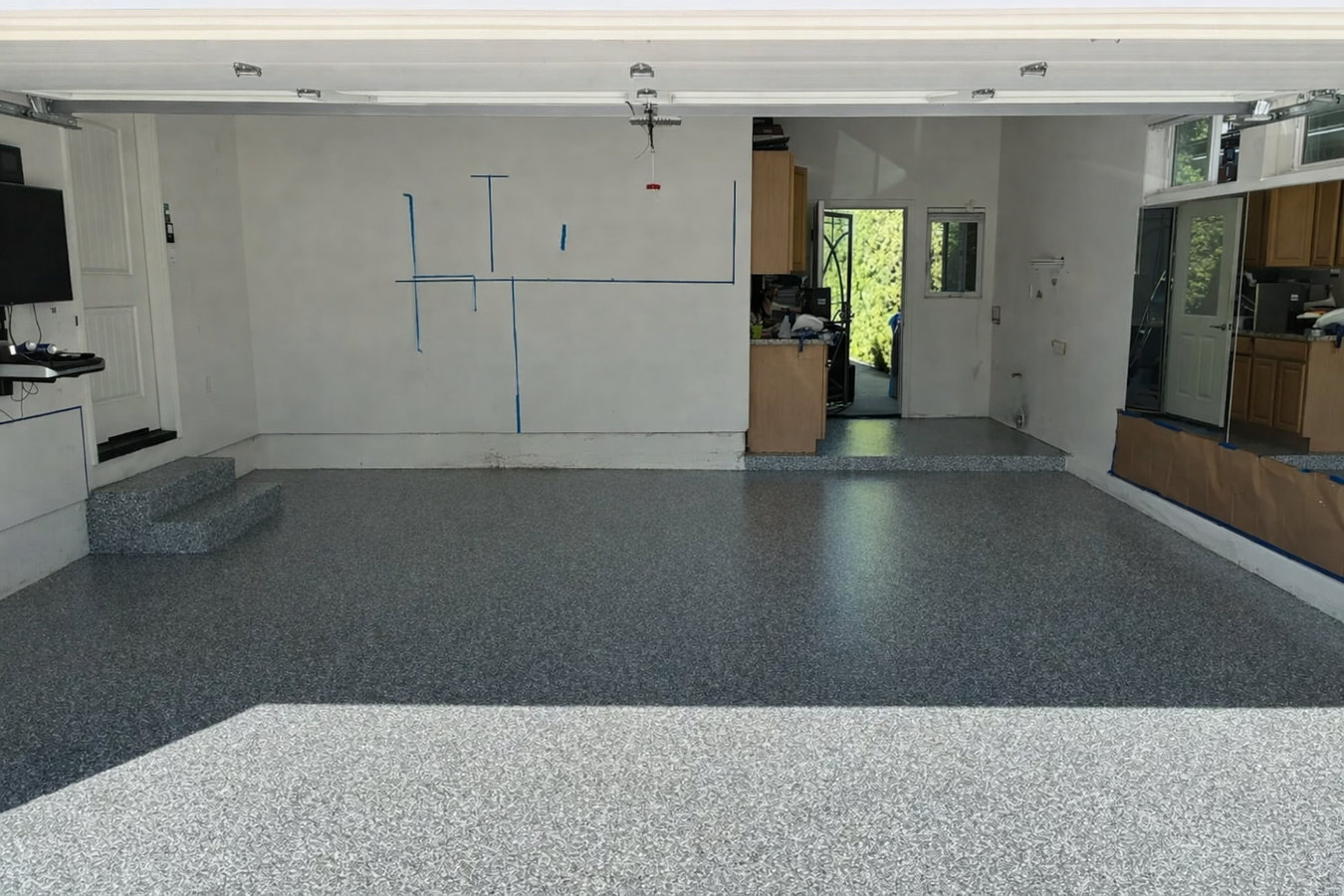
A cracked, spalling, or aging slab is a safety issue and a maintenance headache. We pour concrete floors that hold up to coastal conditions, pass city inspection, and look clean for years.
A cracked, spalling, or aging slab is a safety issue and a maintenance headache. We pour concrete floors that hold up to coastal conditions, pass city inspection, and look clean for years.
Concrete floor installation in Oceanside starts with removing old material, compacting the soil, and laying a gravel base - then the crew pours, spreads, and finishes the concrete before it sets. Most residential floor projects take one to two days of active site work, with a curing period of 24 to 48 hours before foot traffic and about a week before vehicles.
The most common reason a concrete floor cracks or sinks is not bad concrete - it is poor preparation underneath. In Oceanside, where parts of the city sit on clay-heavy soils that shift with seasonal moisture changes, skipping base prep is how floors crack within the first few years. For outdoor concrete areas that connect to your floor, our concrete pool decks service uses the same preparation standards for flatwork adjacent to pools and patios.
A properly poured and sealed floor in Oceanside's coastal climate can last 30 to 50 years. Getting the base, the reinforcement, and the sealing right at installation costs far less than dealing with a floor that needs repair or replacement in five years.
A hairline crack is normal. But cracks wider than a pencil, cracks that run across most of the floor, or cracks you have patched and watched reopen are a sign the slab is failing from below. In parts of Oceanside, clay-heavy soils expand and contract with seasonal rain, putting constant upward pressure on the slab. Patching a floor with ongoing soil movement underneath is a short-term fix.
If the top layer of your floor is peeling away in thin chips or feels rough and crumbly underfoot, the concrete is spalling - breaking down from the surface inward. Along the Oceanside coast, salt air works into untreated concrete over time and accelerates this process. Once spalling starts, it spreads, and the floor becomes harder to clean and a potential trip hazard.
A well-poured concrete floor has a slight slope built in to move water toward a drain or doorway. If puddles form in the same spots every time you mop or when rain blows in, the floor has settled unevenly or was not graded correctly. Standing water accelerates surface wear and is a slip hazard in a garage or utility space.
In some Oceanside neighborhoods, the water table sits relatively close to the surface. If you notice a damp smell in your garage or see dark patches on the floor that appear after dry weather, moisture is wicking through the slab. This does not fix itself - and if you are planning to add flooring on top, addressing the slab first is essential.
We handle full concrete floor installations for garages, interior utility spaces, workshops, and residential additions throughout Oceanside. Every project includes demolition and haul-away of any existing slab, full soil compaction and gravel base installation, steel mesh or rebar reinforcement, the pour and finish, and a penetrating sealer suited for Oceanside's coastal marine environment. Surface finish options include broom finish for grip, smooth trowel finish for interior spaces, or a colored or polished finish for homeowners converting a garage to living space. For homeowners who want an upgraded garage surface with decorative options, our garage floor concrete service covers epoxy and overlay systems as well as straight pours.
We pull every required permit with the City of Oceanside before work begins and coordinate the final inspection on your behalf. For outdoor flatwork that connects to your floor - such as a pool deck or patio - our concrete pool decks service handles those adjacent pours with the same base-preparation standards. Moisture barrier installation is available for any floor where wicking is a concern, which is especially relevant for older Oceanside homes and properties in lower-elevation neighborhoods.
For homeowners with failing, cracked, or aging garage floors - full demo, base prep, pour, and seal in one project.
For additions, ADUs, or garage conversions where a new slab needs to meet interior living space standards.
A slightly textured surface for grip - the standard choice for garage floors, utility spaces, and any area that sees moisture.
A cleaner, easier-to-mop surface suited for interior spaces and any floor where you plan to lay tile or other flooring on top.
For homeowners converting a garage to a home gym, workshop, or hobby space who want a finished look, not just a functional slab.
Vapor barrier placed under the slab during prep - required for any floor where moisture migration is a concern before laying surface flooring.
A significant portion of Oceanside's housing stock was built during the postwar boom and the growth decades of the 1960s through 1980s. Many of those homes have garage slabs that are now 40 to 60 years old - poured thinner than current standards, reinforced with materials that have degraded, and subjected to decades of soil movement. The clay-heavy soils in many of Oceanside's inland neighborhoods expand when wet and shrink when dry, which stresses slabs from below in ways that patches cannot fix permanently. Homeowners in Vista and other North County communities face the same aging-slab situation, and we regularly assess and replace floors there as well.
The coastal environment adds a second layer of concern. Homes within a mile or two of the Pacific - which includes a large portion of Oceanside's residential areas - are constantly exposed to salt-laden marine air. Salt particles work into the surface of untreated concrete over years, causing the spalling that is so common on older garage floors near the water. Sealing the floor during installation is the cost-effective answer. In Encinitas to the south, where coastal exposure is equally intense, we apply the same marine-grade sealer approach on every residential floor we pour. Getting the sealing step right at installation protects the floor for decades with minimal ongoing maintenance.
We schedule a visit to look at the space in person - measure the area, examine the existing slab or ground, and ask what you plan to use the space for. You leave with a written, itemized estimate. We reply to all new requests within one business day.
We submit the permit application to the City of Oceanside's Development Services Department on your behalf. You do not need to visit the permit office. Processing typically takes a few business days to a couple of weeks depending on current city workload.
The crew removes any existing slab, excavates to the right depth, compacts the soil, and lays a gravel base. Reinforcing steel and any moisture barrier go in during this stage. This prep work is what separates a floor that lasts from one that cracks within a few years.
Concrete is delivered, poured, and finished the same day. Plan to keep the area off-limits for 24 to 48 hours and off vehicles for at least a week. After the curing period, the city inspector signs off - your contractor coordinates that visit and gives you a copy of the closed permit to keep with your home records.
No pressure, no obligation. We come to you, look at the space, and give you a written estimate with everything included. Permitted work from start to finish.
(760) 854-0194Every floor we install in Oceanside gets a penetrating sealer matched to the coastal marine environment. Salt air is a real threat to untreated concrete near the Pacific, and this one step significantly extends the life of the surface - at a fraction of what resurfacing or replacement costs later.
The most common reason residential concrete floors crack is poor ground preparation. We compact the subgrade and lay a proper gravel base on every job - in Oceanside's clay-heavy inland soils, this step is not optional if you want the floor to stay flat.
We pull every required permit through the City of Oceanside before breaking ground and coordinate the inspection at the end. We work across 12 cities in North and East San Diego County and know each municipality's permit process firsthand.
Many older Oceanside homes have slabs that look patchable but are failing from below. We tell you honestly whether patching makes sense or whether replacement is the more cost-effective answer - and we explain why. Verify our license any time on the California Contractors State License Board website at cslb.ca.gov.
A concrete floor is one of those projects where what happens before the pour matters as much as the pour itself. Cutting corners on base prep or sealing shows up within a few years - and fixing it costs more than doing it right the first time.
For permit requirements, visit City of Oceanside Development Services directly. For contractor license verification, use the California Contractors State License Board license lookup tool. For industry standards on concrete floor construction, the American Society of Concrete Contractors is the primary professional reference.
Extend your outdoor living space with a pool deck built to handle Oceanside's sun, salt air, and barefoot traffic year-round.
Learn moreUpgrade your garage slab with a properly reinforced pour and coastal sealer - built to last in Oceanside's marine environment.
Learn moreOceanside's warm, low-humidity summer days can cause freshly poured concrete to dry too fast on the surface. Late fall through spring gives the most forgiving pour conditions - book now while the schedule has room.