
Loading...
Serving Oceanside, CA and surrounding areas. (760) 854-0194
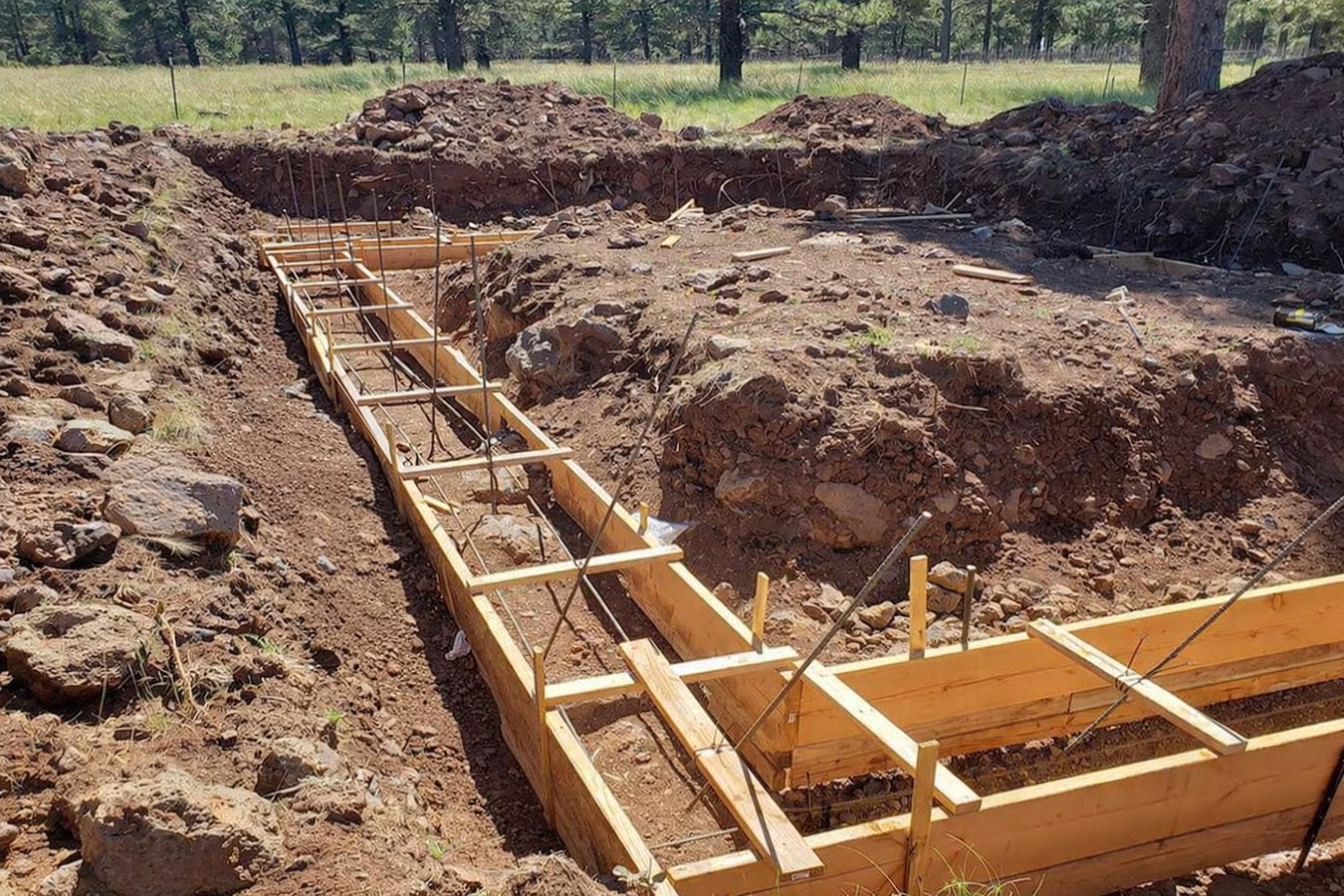
A deck, addition, or ADU is only as solid as what is underground. We pour concrete footings built for Oceanside's variable soils, seismic requirements, and city permit inspections.
A deck, addition, or ADU is only as solid as what is underground. We pour concrete footings built for Oceanside's variable soils, seismic requirements, and city permit inspections.
Concrete footings in Oceanside are the underground concrete bases that carry the weight of a structure - a deck, an addition, a fence, or an ADU - and spread that weight across enough soil that nothing shifts or sinks over time. Most residential footing jobs take one to three days of active work, with a curing period of at least one week before any load can be placed on top.
Oceanside homeowners most often need concrete footings when they are adding a deck, expanding their home, or building an accessory dwelling unit. California's ADU laws have made it easier than ever to add a backyard unit in Oceanside, and footings are almost always part of that project. Because seismic reinforcement requirements here are stricter than in most parts of the country, the design and inspection of your footings matters more than you might expect. If you are also planning a full foundation installation, our team can coordinate both scopes from a single assessment.
The footing is the part of a project most homeowners never see once it is done - but it is the part that determines whether everything above it stays straight and stable for decades. Call us at (760) 854-0194 to talk through your project.
If you are adding a deck, a room addition, or an accessory dwelling unit to your Oceanside home, new concrete footings are almost certainly part of the project. These structures need a proper underground base to stay level and safe over time - especially given the seismic activity in this region. If a contractor quotes you a deck or addition without mentioning footings, that is worth asking about.
If you can see that your deck has started to lean, or there is a growing gap between the deck and your home's exterior wall, the footings underneath may have shifted or deteriorated. In Oceanside's variable soils - particularly in hillside neighborhoods - footings can move if they were not sized or placed correctly to begin with. This is a safety issue, not just cosmetic.
Some surface crazing on concrete is normal, but cracks that run through a slab or structure - especially diagonal cracks - can indicate that the footing underneath has moved or settled unevenly. Oceanside's expansive soils in some neighborhoods can cause this kind of movement when the soil dries out significantly in summer. A concrete contractor can assess whether the footing is the source of the problem.
If fence posts on your property have a history of leaning or pulling out of the ground, the original post footings were likely too shallow or too small for your soil conditions. This is a common issue in sandy coastal soils where the ground does not grip a small footing well. Properly sized and poured concrete footings will keep new posts stable for decades.
We pour a full range of residential concrete footings throughout Oceanside - from isolated post footings for decks and pergolas to continuous perimeter footings for room additions and detached ADUs. Every project starts with a site visit and soil assessment, not just a phone quote. For projects that need a complete structural base, our foundation installation services cover the full scope from footing design through slab or perimeter foundation completion.
We handle the complete permit and inspection cycle with the City of Oceanside - including the pre-pour inspection that California requires for most structural footings. That inspection happens after the steel is placed but before the concrete is poured, giving you and the city a chance to verify everything is correct before it is set in stone. For homeowners building a new structure that also needs a finished slab on top, our foundation installation team can take the project from footing design through finished slab in a single coordinated scope. The American Concrete Institute publishes the building code standards that govern how footings are designed and reinforced - the same standards your city inspector uses when they visit the site.
Best for homeowners adding a new deck, pergola, or patio cover that needs individual post supports below grade.
Best for room additions and detached ADUs that require a full underground perimeter base before framing begins.
Best for replacing fence sections with posts that have a history of shifting or pulling out of sandy or clay-heavy soil.
Best for ADU and garage addition projects where the footing and finished floor slab are designed and poured as one coordinated scope.
Oceanside sits in one of the more seismically active corridors in Southern California, which means footings here are designed to handle not just the vertical weight of a structure but the lateral forces an earthquake creates. California's building code requires more steel reinforcement in footings here than in most other parts of the country, and the City of Oceanside's permit inspection process specifically checks for that reinforcement before the concrete is poured. This is not a formality - it is the design feature that keeps a deck or addition standing when the ground moves. Homeowners in Vista face the same seismic footing requirements because the regional building codes apply across the entire San Diego County area.
Beyond seismic design, Oceanside's soils vary significantly from one neighborhood to the next. Sandy coastal soils near the beach do not grip a footing the same way as denser inland ground, and some inland hillside areas have clay-heavy soils that swell and shrink with seasonal moisture. Oceanside has also seen a surge in ADU construction in recent years, driven by California's ADU-friendly legislation - which means footing contractors here are busier than in many comparable cities, and getting on the schedule early matters. Properties in San Marcos show the same pattern: high ADU demand is keeping crews booked several weeks out, and footings are always the first trade in the door.
We schedule a visit to assess soil conditions, measure the site, and confirm what the city will require for your specific project. You get a written estimate within one business day - broken out by excavation, materials, reinforcement, and permit fees so nothing comes as a surprise.
We submit the permit to the City of Oceanside and handle all follow-up. California law requires us to call 811 before any digging to have underground utility lines marked - you do not need to manage this step yourself, but you should know it happens before the first shovel goes in.
The crew digs to the required depth, sets up temporary forms, and places the steel reinforcement. This is the step the city inspector checks before any concrete is poured. The inspection confirms depth, form size, and rebar placement all match the approved plans.
Once the inspection is cleared, we pour and finish the concrete. The footing needs at least seven days before any structure is loaded on top, and full strength takes about 28 days. We handle scheduling the final inspection with the city and let you know when it is safe to proceed with the next phase.
Free on-site estimate. Permits handled. Pre-pour inspection coordinated. No obligation.
(760) 854-0194Oceanside is in one of the more seismically active parts of Southern California, and we design rebar placement to meet California's earthquake standards on every footing we pour - not just the ones that get inspected closely. That reinforcement is the difference between a footing that survives a significant quake and one that does not.
Oceanside's soils vary enough - sandy coastal ground, clay-heavy inland neighborhoods, unstable hillside fill - that we assess your specific site before finalizing the footing design. A footing sized and placed for the actual soil under your property stays put. One designed from a generic assumption may not.
The City of Oceanside requires a pre-pour inspection for most structural footings, and we schedule and coordinate that inspection as part of our standard process. We know how to submit to Oceanside's Development Services correctly the first time, which avoids the delays that come from incomplete applications. You can verify our active CSLB license at{' '}cslb.ca.gov.
Oceanside has seen a significant increase in ADU construction in recent years, and we have completed footing projects for detached ADUs, garage conversions, and room additions throughout the city. ADU footing requirements here involve both seismic design and specific city plan-check steps - having a contractor who has worked through that process before saves you time and avoids mid-project surprises.
Every footing we pour in Oceanside is permitted, inspected before the pour, and designed for the actual soil and seismic conditions on your property. That combination of local knowledge and proper process is what keeps structures built on our footings stable for decades.
When an existing foundation or footing has settled unevenly, foundation raising lifts it back to the correct level before structural damage gets worse.
Learn moreFor projects that need more than a footing - full perimeter foundation or slab-on-grade construction for an addition, ADU, or new detached structure.
Learn moreWith ADU demand keeping crews booked weeks out, reaching out now locks in your start date before the next phase of your project gets pushed back.